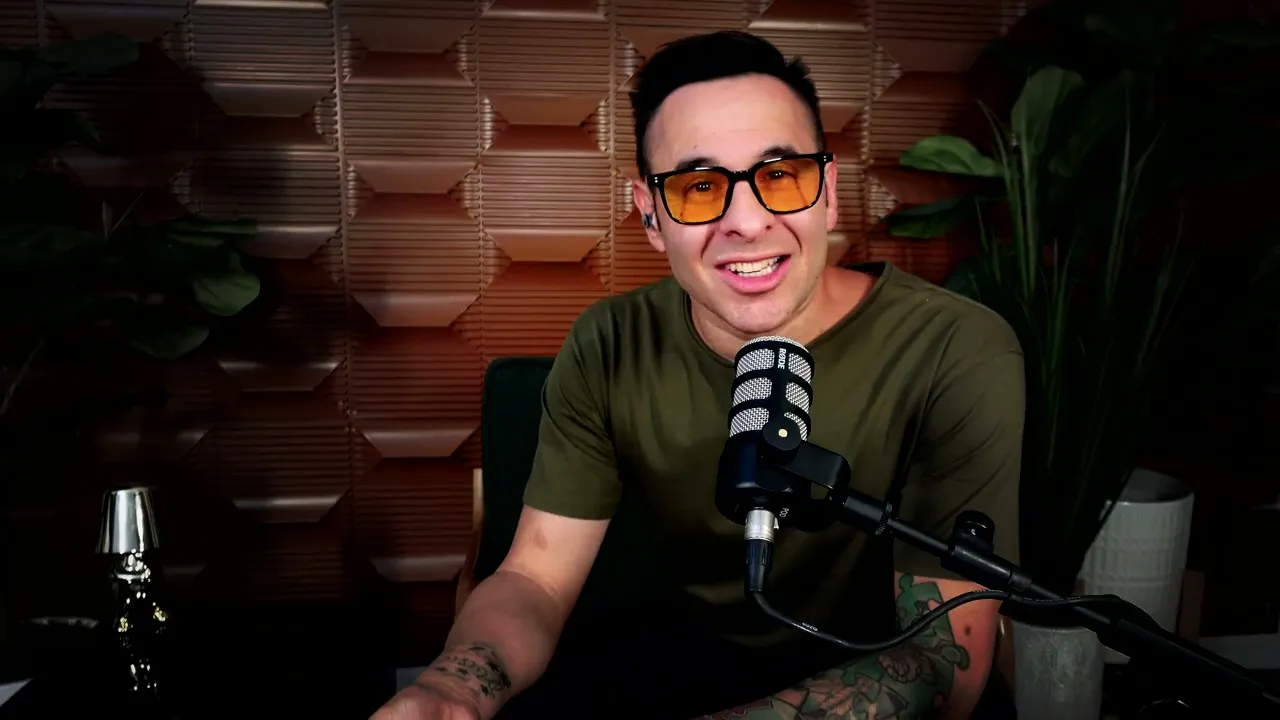
JOHN GILLETTE — KEYNOTE SPEAKER
Engaging. Entertaining. Interactive.
John Gillette is a highly engaging, entertaining, interactive keynote speaker specializing in communication, leadership, psychological safety, and neurodiversity. Practical ideas, storytelling, humor, and audience participation bring better conversations into the room.
01 LEADERSHIP
Better leadership starts with better understanding.
I explore how leaders communicate expectations, create psychological safety, navigate difficult conversations, build trust, and create environments where people can actually perform.
Communication under pressure
Psychological safety
Expectations + accountability
Difficult conversations
Team trust
Clarity in leadership
Understanding how different people work
Creating environments where people can perform without unnecessary friction
02 AI
Stop teaching prompts. Start changing how the work moves.
I speak about practical, systemic AI adoption — how organizations can use AI inside actual workflows rather than treating it like a novelty or isolated productivity tool.
Systemic AI adoption
Workflow design
Institutional knowledge
AI for creative teams
AI for event + hospitality teams
Turning one source into multiple useful outputs
Reducing repetitive work
Improving handoffs
Protecting human creativity
Building reusable systems
We do not need more AI theater. We need useful AI inside the work.
03 COMMUNICATION
Say what you mean. Make sure it lands.
I explore why communication breaks down, how misunderstanding happens, and what changes when people stop assuming that saying something is the same thing as being understood.
Clarity
Assumptions
Difficult conversations
Being misunderstood
Context
Perception
Relationships
Leadership communication
Workplace communication
How people interpret language differently
04 NEURODIVERSITY
You already have neurodivergent people on your team. The question is whether your company knows how to use their brains well.
This topic explores neurotypical and neurodivergent working styles and designing workplaces that allow both to perform. Understanding + implementation, not simply awareness.
Neurotypical vs. neurodivergent processing
Communication differences
Sensory environments
Executive function
Masking
Psychological safety
Different approaches to focus
Different approaches to problem solving
Expectations + clarity
Workplace design
Leadership behavior
Recognizing strengths rather than only accommodating perceived weaknesses
Changes in communication, environment, and expectations can help neurodivergent employees experience and contribute to a workplace differently when leadership is willing to adapt. Different brains bring different strengths, challenges, needs, and ways of seeing problems.
WAYS TO WORK TOGETHER
KEYNOTES — Perspective-driven talks designed to shift how the audience sees a problem.
WORKSHOPS — Interactive sessions where teams apply the ideas directly to their own work.
LEADERSHIP SESSIONS — Smaller conversations for teams that need deeper thinking, alignment, or implementation.
CUSTOM SESSIONS — Built around the audience, industry, company, or challenge in the room.
WHY THIS PERSPECTIVE
NOT A CAREER SPEAKER TALKING ABOUT THE WORK FROM THE OUTSIDE.
I’m a working Creative Director of Communication, and my speaking comes directly from the work I’m doing across communication, creative strategy, AI, leadership, learning, and business.
My perspective is informed by creative direction, communication strategy, artificial intelligence, psychology + human behavior, brand, events + experiences, curriculum development, leadership, media + culture.
My ability to see the problem differently, translate complexity, and make the insight usable.
NEED A USEFUL CONVERSATION IN THE ROOM?
Keynote. Workshop. Leadership session. Custom training.
FROM THE ROOM
My speaking style combines practical ideas, storytelling, humor, direct communication, and audience interaction. The goal is to make the room see something differently — and know what to do with it.
NEURODIVERGENT VS. NEUROTYPICAL
Play to watch with sound
Teaching and perspective — a sharp, accessible, humorous explanation of how differently people can process the same world.
COMPETENCE JUDGMENT
Play to watch with sound
Presence and room command — humor, energy, and audience interaction in a live session.
SPEAKING CREDENTIALS + TESTIMONIALS
A working Creative Director of Communication, bringing hands-on experience across communication, creative strategy, leadership, and learning into the room.
SELECTED SPEAKING ENGAGEMENTS
[Add approved event names, organizations, and speaking credentials.]
WHAT EVENT ORGANIZERS SAY
[Add an approved testimonial, with the speaker’s name, role, and organization.]